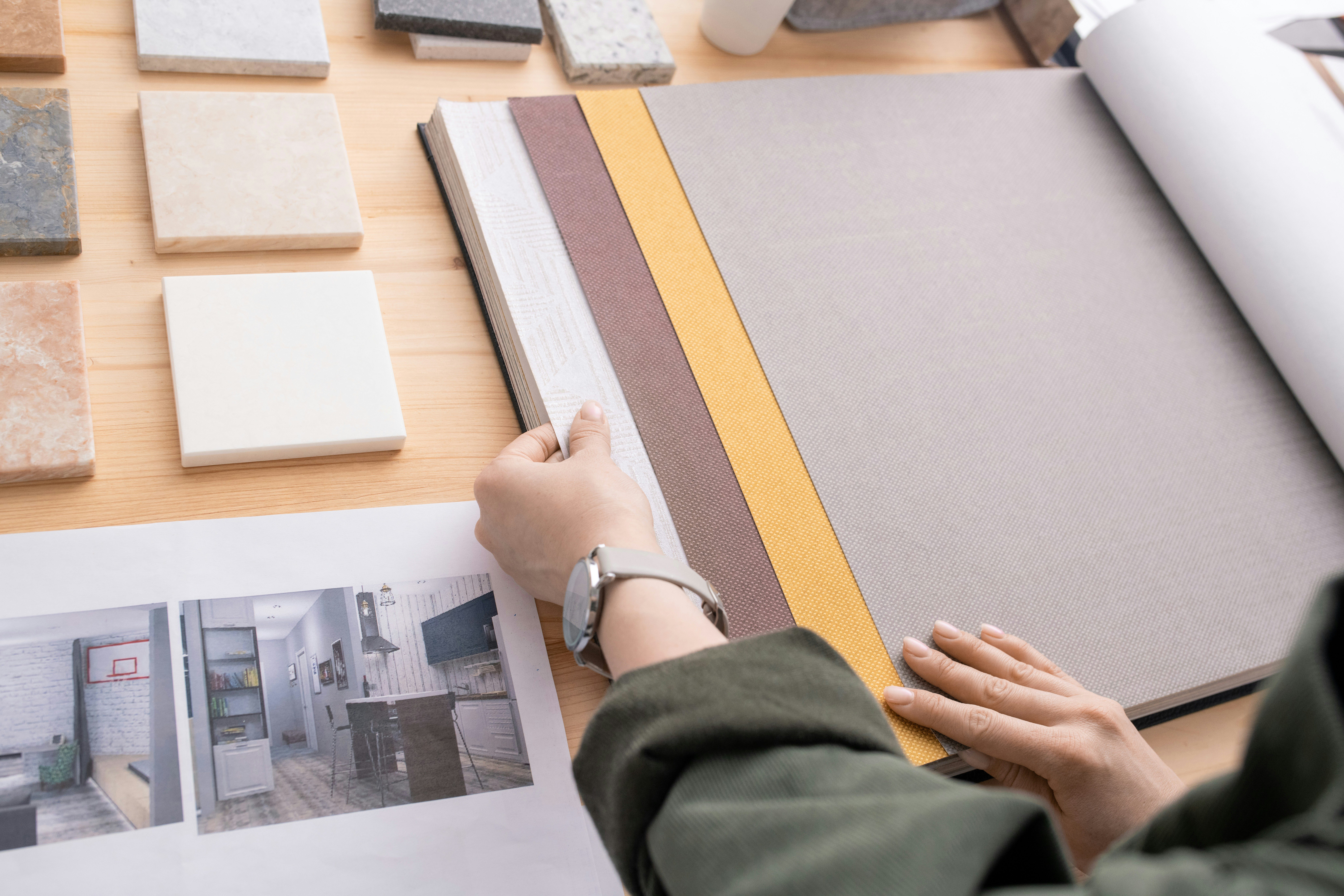
High-finish interiors have a way of exposing everything. In a more utilitarian build, a small alignment issue or rushed transition may go unnoticed. In a design-driven commercial space, those same problems become visible immediately. That is why high-end interior work is rarely just a matter of having skilled installers at the end of the project. The quality people see in the final space is usually determined much earlier, during the stages when systems are being coordinated, details are being clarified, and the construction team is deciding whether the design can be executed cleanly under real field conditions.
In New York City, that process becomes even more demanding. Space is tight, access is limited, and work often happens inside active buildings where storage and staging are constrained. Those conditions do not make high-finish work impossible, but they do raise the importance of planning and discipline.
One of the biggest misconceptions about high-end interiors is that quality lives only in the last few weeks of the job. In reality, many of the issues that affect the visual result begin much earlier.
We have seen projects where a ceiling looked clean in design but became far more difficult to execute once mechanical runs, sprinkler heads, lighting locations, and framing tolerances all had to coexist in the same tight zone. We have seen millwork packages that were beautifully designed, but required field adjustments because surrounding conditions were not fully verified before fabrication. Once that kind of conflict reaches installation, the team is no longer building with precision. They are trying to recover it.
That is why experienced interior contractors spend so much energy on front-end coordination. Precision in the field usually reflects clarity on paper and discipline in preconstruction.
In architect-led interiors, one of the contractor’s most important roles is to help preserve the design intent as the project becomes buildable. That often means identifying where the design will need extra coordination to hold its quality once the work starts. A reveal detail may depend on tighter framing tolerance than a standard build would allow. A lighting effect may require more careful layout of adjacent systems. A high-end finish may need stable environmental conditions and sequencing protection that cannot be assumed late in the project.
The point is not to water down the design so it becomes easier to build. It is to understand what the design requires and organize the project around delivering it properly.
Commercial interiors in the city rarely benefit from generous site conditions. Materials may need to move through narrow access points, staged deliveries, or tightly scheduled freight routes. Install areas may be close to occupied tenant spaces. Environmental conditions may shift more than the finish system would ideally prefer, especially near exterior walls, shafts, and active entries.
All of that puts more pressure on the execution. It also makes sequencing more important. High-finish work usually performs best when the surrounding conditions are truly ready, not when the schedule is forcing the next step before the space has been stabilized. That is why the best interior teams are deliberate about when finish work starts, not just how it is performed. They understand that craftsmanship is partly about hands-on skill, but just as much about timing, protection, and oversight.
When a high-end commercial interior comes together well, the result feels clean, consistent, and resolved. The lines make sense. The transitions feel natural. The lighting, finishes, and details all support each other. That level of quality rarely comes from the field “figuring it out” at the last minute.
It comes from a process where design intent is taken seriously, systems are coordinated early, and the build is managed in a way that gives craftsmanship room to show up. In New York, where commercial interiors often have to meet both ambitious design standards and demanding site realities, that level of preparation is what makes precision possible.
Bring us the drawings, the space and the date. Tumen builds high-end commercial interiors across New York City with the detail your design deserves, and we will come back with a realistic plan for budget, schedule and approvals.