
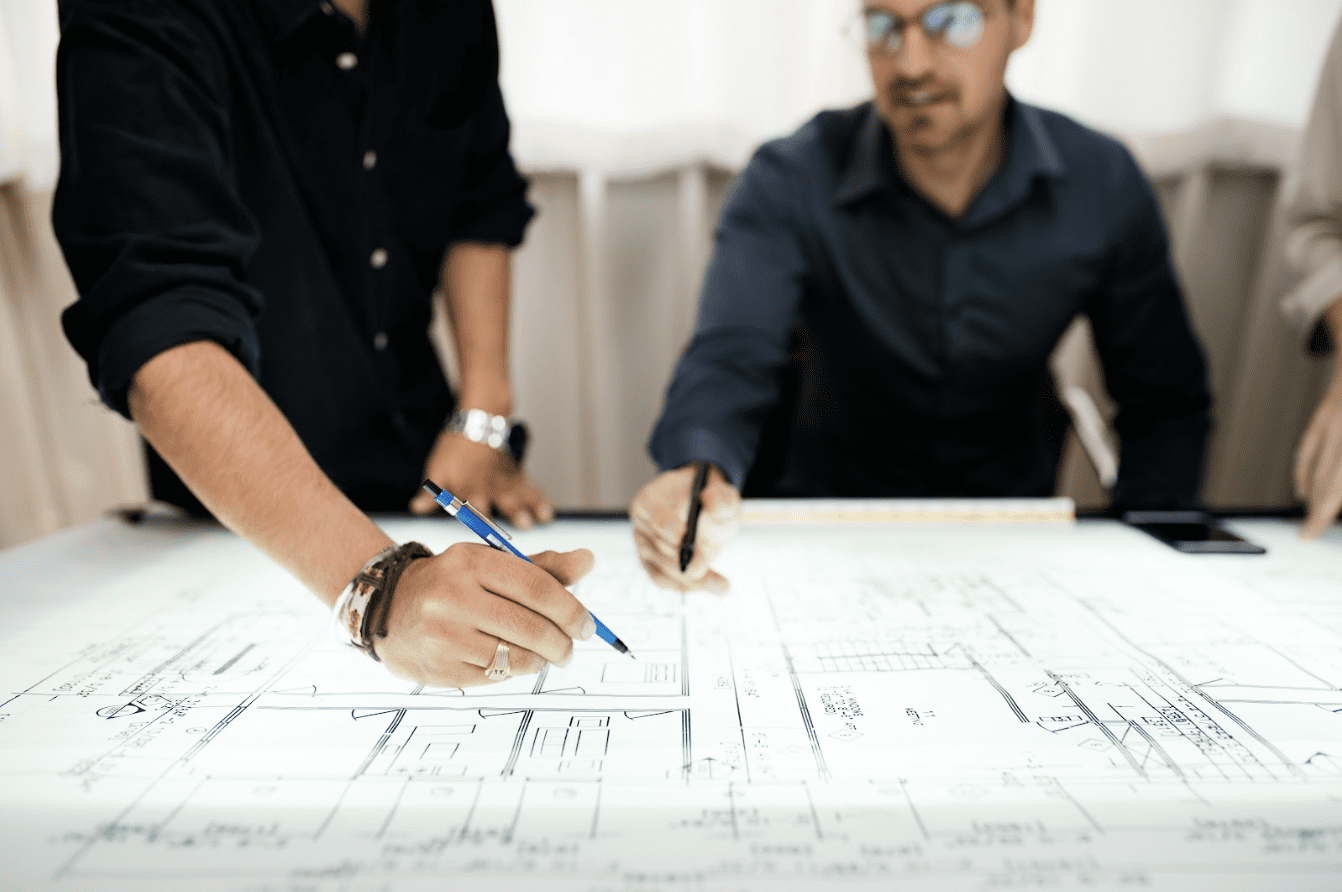
In New York City, projects tend to move fast, but expectations run even higher. Balancing design and budget during preconstruction is not just about watching the numbers. It’s about creating a build that works as beautifully as it looks, and planning in a way that respects both the space and the season. Coming into January, weather can slow outdoor work, shift delivery schedules, and delay key stages if the groundwork isn’t in place.
That’s where planning for budget refinement with a contractor in NYC becomes a smart early move. When clear numbers meet build-ready conditions, design decisions stay pointed in the right direction from the start. Instead of pausing mid-project for rework, teams can move forward with confidence, even with shorter winter days and tighter job site access at play.
When projects lean heavily into design without checking feasibility, even small oversights can spiral. In NYC, every square inch counts, which means assumptions around cost, scope, and timing can stall progress before footings are poured or finishes are ordered. We start by looking closely at what’s already on site. That includes:
Beyond the immediate job site, our pre-construction advisory team reviews drawings and specifications early so we can flag design feasibility issues and provide clear budget and schedule insight before construction begins. Making those details visible early gives the design a solid base. It gives the architect space to be creative within limits that won’t shift midstream. When we work closely with design teams during early development, we help spot risks before they reach bid drawings or client review. Fewer surprises later mean fewer slowdowns during build.
A well-built space always starts with good design. But even high-end projects benefit from boundaries. We see it all the time; clear limits allow creativity to land. Preconstruction is where options feel open, but trades, codes, and job site realities are already circling. Keeping that vision alive means making smart choices early. During preconstruction, it’s possible to:
With contractor input on space planning, mechanical coordination, and structural touchpoints, the design stays grounded. We work closely with architects to support their intent and catch what might snag later. In many projects, we act as a technical partner, helping translate creative intent into practical, buildable plans. It’s not about limiting the look. It’s about building it the way it was imagined, and doing it without compromise to timelines or quality.
Preconstruction isn’t a single task you check off a list. It’s a short window of time, and in New York City that window can close quickly. At the start of the year, it gets even tighter. January weather slows exterior work, complicates transportation, and makes site access harder to predict. Meanwhile, design decisions are still taking shape, budgets are forming, and permits are moving forward. That’s exactly when the right conversations matter most. From experience, we’ve learned that budget refinement works best when it happens before permits are submitted and before materials are locked in. Wait too long, and everyone’s hands are tied by decisions that are already on paper. Move too early, and important details get missed. The sweet spot is when layouts and elevations are still evolving. When we’re brought in at that point, we can help shape cost, construction methods, and sequencing together, instead of reacting to them later. Clients consistently tell us they appreciate this approach because it replaces last-minute surprises with informed decisions made calmly and early.
That early collaboration allows us to catch ripple effects before they become problems. A small layout adjustment might impact a structural wall or require additional coordination between mechanical, electrical, and plumbing systems. Winter conditions can reduce sidewalk staging zones, so access and storage expectations need to be realistic from day one. Trade sequencing also benefits from this shared planning, helping crews move forward efficiently without backtracking or losing time once interior work ramps up. At the end of the day, this isn’t just about numbers on a spreadsheet. It’s about aligning cost, schedule, and design in real time, using what we’ve learned from past projects to make the path from design development to construction smoother and far more predictable.
When design moves too far ahead of site planning, it’s easy to overlook the practical realities that ultimately dictate how a space gets built. Those gaps rarely show up right away. Instead, they surface later as rework, change orders, or frustrating delays during inspections, when adjustments are far more expensive and disruptive than they needed to be.
In New York City renovations, the same pressure points come up again and again. Custom millwork may look perfect on paper but turn out to be too large to navigate stairwells or fit inside an elevator. Finish selections can quietly increase staging needs beyond what a building can realistically support. HVAC routes or ceiling heights that seemed workable during design can clash once demolition exposes existing conditions. By the time these conflicts are discovered, the project is already in motion. Bringing these questions into the scope early changes the entire decision path. We review ceiling conditions, delivery access, mechanical runs, noise control, and other site-specific constraints before materials are ordered or walls are framed. That early clarity helps translate a creative vision into a build plan that’s grounded in reality, with fewer interruptions and a much smoother path through construction.
When the plan is shaped by real site conditions and thoughtful design, the build holds its shape. Balancing design and budget during preconstruction isn’t about cutting ideas. It’s about building with fewer compromises. That starts by asking the right questions and getting answers when there’s still room to pivot. Winter isn’t always forgiving in New York City. Delays from weather, supply routing, and building access can stack up fast. But early clarity makes the build feel steady, even in unpredictable conditions. When everyone’s aligned on what’s realistic and ready, it’s easier to stay focused on the creative parts of the process. Teams that build this way don’t just finish their projects. They finish strong, with design that delivers and a budget that doesn’t have to rebound midstream.
At Tumen, we help guide build projects from concept to construction with a steady focus on clarity, timing, and feasibility. Getting early alignment on layout, approvals, and materials makes it easier to avoid midstream changes that can stall progress. That is why we encourage design teams and owners to begin with budget refinement with a contractor in NYC when there is still room to make strategic decisions that support both vision and schedule. Planning this way sets the tone for a smoother, more predictable build. Ready to talk through what comes next? Contact us.