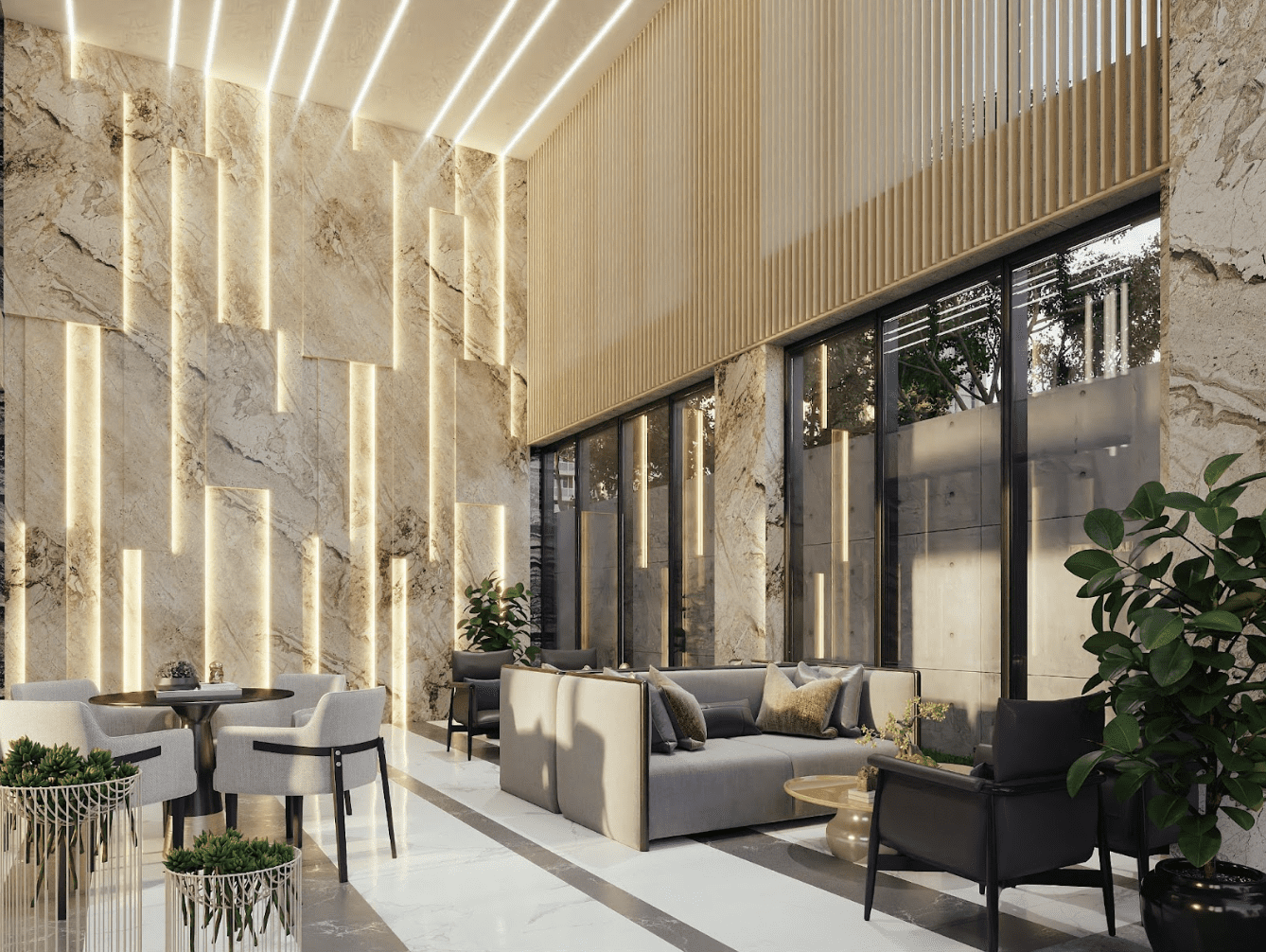
A commercial space conversion in New York City often begins with a strong design idea, but that idea is only one part of what determines whether a project succeeds. What happens behind the scenes plays just as important a role, particularly when a project involves changing how a space is used, how people move through it, or how systems integrate into an existing building. In a city as dense and regulated as New York, commercial interiors are shaped by layers of constraints that don’t always show up on drawings. Codes are strict, access is limited, and schedules rarely wait for ideal conditions. Many projects move forward in late winter and early spring, often alongside occupied floors, active tenants, and tightly controlled delivery zones. Without careful planning, those pressures can quietly derail a project before construction truly begins.
The most successful conversions are grounded in early decision-making. Long before demolition starts, key questions need clear, realistic answers. Zoning is often the first checkpoint. A shift from retail to office, or from warehouse to hospitality, may require an updated certificate of occupancy, triggering a sequence of reviews and approvals that must be addressed well in advance. Existing conditions add another layer of complexity, especially in older buildings where aging infrastructure, limited ceiling heights, or missing fire protection are common. These conditions don’t necessarily limit design, but they do shape how it can be executed. When they’re identified early, the design can respond thoughtfully. When they’re discovered late, they tend to force rushed changes and unnecessary compromises.
Timelines are just as influential. Permit reviews, inspections, and coordination with building management or neighboring tenants all move at their own pace. Rushing through these steps rarely saves time. More often, it creates delays before construction has fully begun. These are not small technical hurdles. They directly influence how design options are developed and whether a project can realistically meet the schedule a client expects.
Once the concept is established, the challenge becomes carrying it through development without losing clarity or intent. In New York City, it’s not enough for a space to look compelling on paper. The plan has to prove that design and function can coexist within the realities of code, existing infrastructure, and the systems already in place. This is where experience matters most.
A lighting concept may affect ceiling depths. A feature wall may push against structural limits. A clean layout may require coordination across HVAC zones or vertical shafts that weren’t immediately obvious. Addressing these moments early allows the design to stay intact. Addressing them later tends to slow projects down and dilute decision-making. At Tumen, this work happens through close collaboration with architects during the front end of a project. Our role is not to reinterpret design, but to support it by identifying constraints early and helping create a clear path to execution. We focus on how the space will actually function once it’s built, not just how it reads visually.
Many commercial interiors are built within active office, healthcare, and retail environments. These settings introduce another layer of planning that needs to be addressed early. Noise restrictions, limited work windows, shared access paths, and ongoing operations all influence how construction can proceed. Seasonal variability, especially in late winter and early spring, can further affect deliveries and site access.
When these realities are understood upfront, work can be sequenced to minimize disruption and protect high-detail elements. When they aren’t, even small issues can ripple into lost time and unnecessary stress. Careful coordination ensures finishes are installed under the right conditions, rather than rushed into place to meet external constraints.
A fast-moving project in New York isn’t about rushing decisions. It’s about clarity. Clean delegation, steady coordination, and direct communication matter more than speed alone. In our experience, momentum breaks down not because teams move too quickly, but because too many layers sit between the field and the people empowered to make decisions. At Tumen, leadership stays close to the work. When issues surface on site, they’re addressed in real time, before they escalate into schedule or design impacts. This proximity supports stronger collaboration with architects and keeps both technical and creative goals aligned as conditions evolve.
Commercial interior construction in New York City demands more than strong ideas. It requires partnership, foresight, and a shared commitment to carrying design intent through every phase of the build. When architects and contractors work together early, constraints become part of the design process rather than obstacles to overcome later. Decisions are made once, with intention, instead of being revisited under pressure.
We specialize in design-led commercial buildouts that depend on trust, coordination, and experience. If you’re planning a commercial interior in New York and looking for a construction partner who understands how to support design from concept through execution, we welcome the opportunity to start that conversation early.
Bring us the drawings, the space and the date. Tumen builds high-end commercial interiors across New York City with the detail your design deserves, and we will come back with a realistic plan for budget, schedule and approvals.