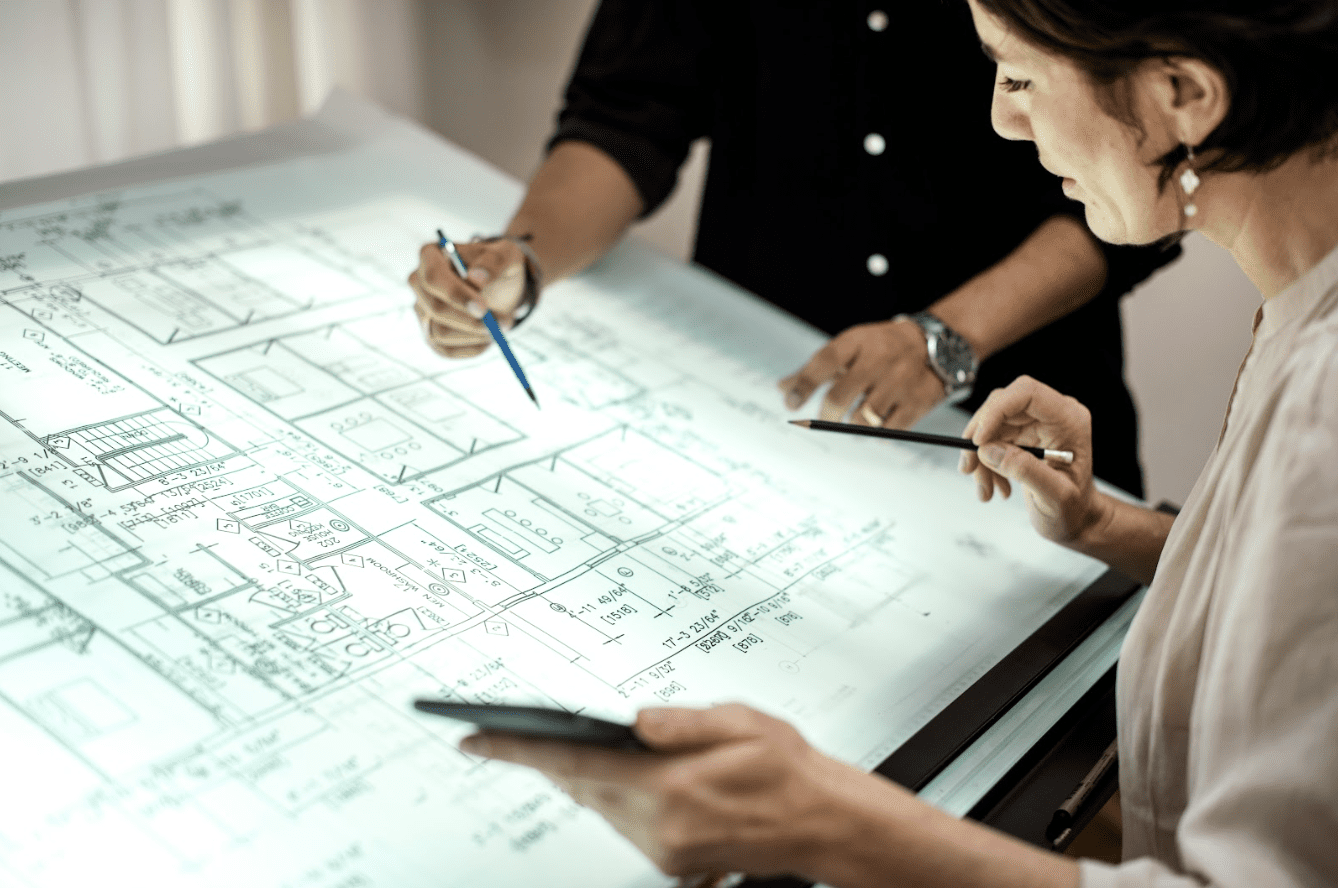
Renovating in New York City doesn’t leave a lot of room for guessing. Between layers of existing infrastructure, tight building access, and fast-moving schedules, small design details can quickly turn into big construction hiccups. That’s why a smart first step is a constructability review in NYC. Not just a formality, this step checks whether the design can actually be built, right where it’s meant to go.
It’s about catching design challenges before they hit the job site. This matters when you’re dealing with older buildings, changing codes, and winter weather that leaves little margin for error. A good review sets the tone early so the build doesn’t fall behind before it even starts.
Most construction in New York doesn’t begin with a blank slate. It usually means working inside existing buildings, navigating tight corners, and meeting aggressive timelines, all while respecting the limitations of structures that were built long before modern systems were imagined. Every building comes with its own quirks, and if those aren’t understood early, they tend to slow everything down once work is underway. Based in Woodside, New York, and focused on high-end renovations for brownstones, apartments, and commercial spaces across the city, we run into these realities on nearly every project.
Many of the buildings we work in are decades old, with aging plumbing, uneven floors, or limited ceiling heights that complicate mechanical and electrical runs. Access can be just as challenging. Building near sidewalks or shared property lines often means tight delivery windows, limited staging space, or reliance on a single freight elevator that has to be carefully scheduled. On top of that, local building codes continue to evolve, particularly around energy efficiency and safety. Falling behind on those updates can lead to endless back and forth with the Department of Buildings, or even rejected filings that set a project back weeks.
Seasonality adds another layer of complexity. As December approaches, colder temperatures, shorter workdays, and unpredictable weather all start to affect how and when work can happen. Starting a project after the New Year without accounting for frozen ground, icy surfaces, or delayed material deliveries introduces real risk to site readiness and scheduling. Taken together, these variables add up quickly. That’s why early review isn’t just a nice-to-have in New York renovations. It’s a practical, necessary step for keeping projects moving forward and avoiding costly setbacks later on.
Design teams tend to lead with vision. Construction teams lead with logistics. A constructability review is where those two perspectives meet early, before momentum turns into rework and good ideas become expensive fixes.
At this stage, architects and designers get practical input while the drawings are still flexible. That means confirming what’s actually buildable before details are locked in, instead of discovering later that a finish, layout, or system needs to change once work has already started. Engineers benefit in a similar way. The review adds a second layer of reality-checking, making sure new HVAC, plumbing, or electrical runs can truly tie into existing conditions without running into old beams, tight joist spacing, or other hidden constraints common in older buildings.
For project managers and field leads, reviewed drawings make everything downstream cleaner. Planning is more accurate, permit reviews move faster, and site work flows with fewer surprises. Trade coordination improves because conflicts are resolved on paper instead of in the field, where time and cost add up quickly. We’ve learned over the years that when everyone is working from the same, grounded information early on, projects move forward with fewer delays and far less friction once construction begins.
Renovating in New York isn’t just about squeezing work into tight spaces. It’s about thinking a few steps ahead and catching the things that are hardest to fix once construction is already underway. The right review, done at the right moment, often surfaces issues that are easy to miss because they’re buried in technical details or assumed to be “someone else’s problem.”
We regularly see projects slowed down by permit triggers that weren’t obvious at first glance, like adding or shifting an entrance. Even small exterior changes can raise accessibility or egress questions and suddenly put a project back in the DOB review queue. Just as often, the building itself creates challenges that don’t show up on drawings. Custom glass that can’t fit in a service elevator, or millwork that’s too long to navigate a freight corridor, can turn a simple install into a costly redesign.
Access and logistics are another common pressure point, especially in buildings with active retail or residential use. If scaffold placement, deliveries, or dump zones aren’t carefully coordinated with other tenants and property management, work can be delayed before it ever gets off the ground. And when construction stretches into the winter months, staging becomes even more critical. Frozen sidewalks, snow-related street closures, and materials that can’t be stored outdoors in cold temperatures all have the potential to disrupt carefully planned schedules.
Catching these kinds of issues early changes the entire trajectory of a project. When they’re addressed upfront, everything that follows tends to move faster, with fewer surprises and far less friction.
The timing of your review makes a big difference. Wait too long, and you risk having to redraw plans. Go too early, and you might miss key design direction. There’s a window where this step adds the most value. Here’s when it helps most:
That window of planning might only be a few weeks wide, but it leads to fewer surprises once the build begins.
Building in New York moves fast. But rushing into it without stopping to ask whether the design matches the job site almost guarantees stress later. A constructability review in NYC steps in at that middle point, between pure design and active construction.
What starts as a careful look at structure, code, and logistics often becomes the glue holding timelines and budgets together. We bring more than 15 years of renovation experience, including commercial projects over 6,000 square feet with custom interiors and ADA upgrades, so tying design decisions to real site conditions is part of our everyday process. It keeps designers, builders, architects, and owners aligned on one goal: building well, without backtracking. For teams that value quality, clarity, and collaboration, it’s how a strong project actually gets off the ground.
Early-stage planning cannot be rushed when building in a city like New York. We find that even well-developed designs benefit from a second look grounded in real-world site conditions. That is exactly what a thorough constructability review in NYC provides, offering clear insight into how each detail will materialize on site once work begins. At Tumen, we keep projects moving by ensuring that what is on paper can actually be built. Ready to move forward with confidence? Contact us.
Bring us the drawings, the space and the date. Tumen builds high-end commercial interiors across New York City with the detail your design deserves, and we will come back with a realistic plan for budget, schedule and approvals.