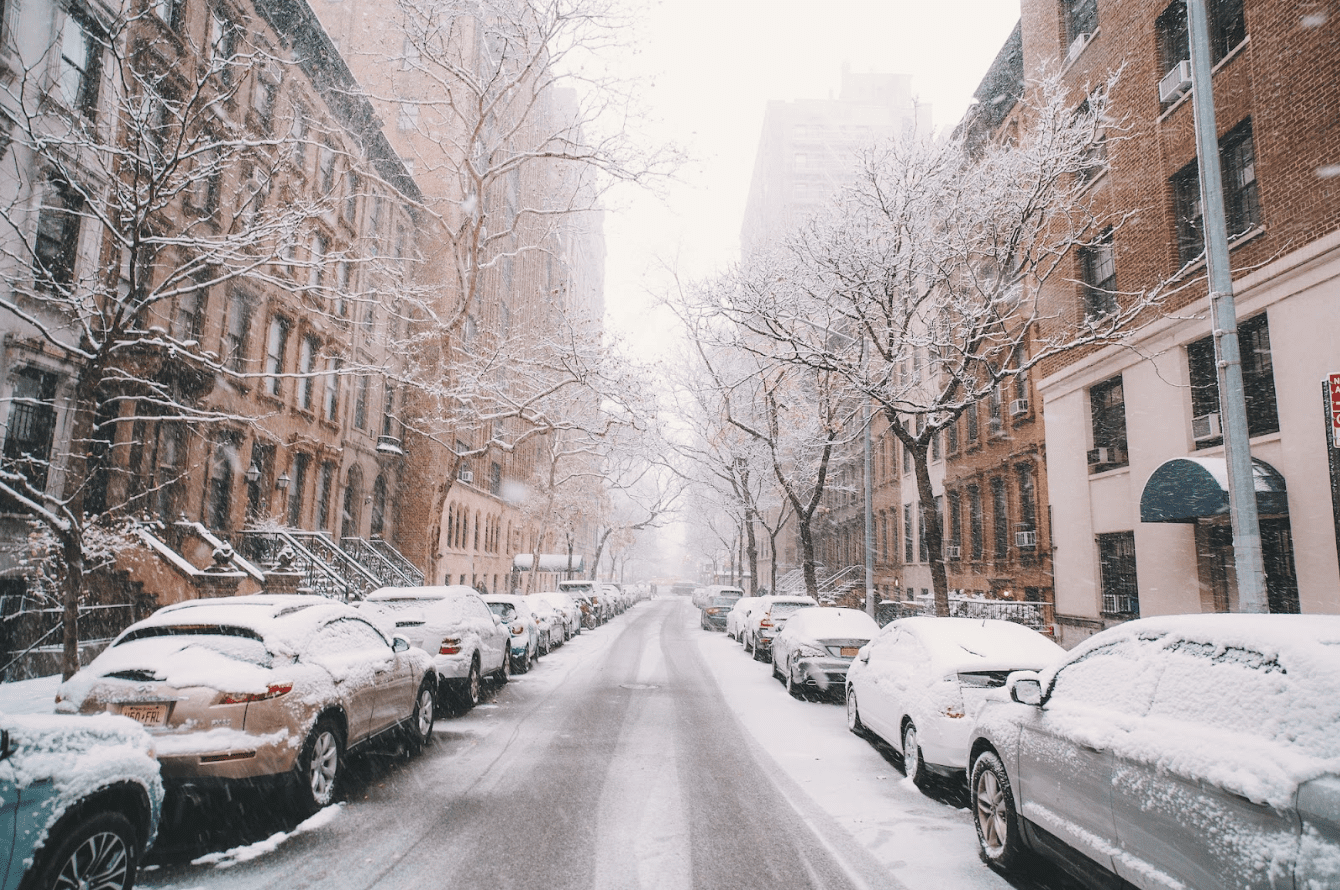
Winter in New York City, NY, can slow down work in ways that never show up on drawings. A cold week, a surprise storm, or a building that tightens its rules can change a plan fast. If you are planning commercial interior construction in NYC, it helps to know what winter really changes, even when most of the work is indoors. We see the same pattern each year. The schedule looks fine on paper, then real life shows up. Busy sidewalks, shared loading zones, strict building rules, and rough weather can turn a simple delivery into a half-day problem. The good news is that winter issues tend to follow a pattern. With early planning, the work can stay steady and the finish quality can stay high. We build out spaces across the city, from medical offices to design showrooms to retail. Each space comes with its own rules for access and daily operations. Winter can make those rules feel tighter.
Winter puts real pressure on a project, especially when it comes to materials. Long-lead items are more likely to slip, and winter shipping has a way of introducing surprises with very little notice. Specialty finishes, custom millwork, glass, and hardware can arrive late, and when they do show up, the packaging isn’t always in great shape. Boxes come in wet or torn, corners get dinged, and suddenly one missing or damaged piece holds up more than one trade. That’s often where schedules take the hardest hit. The area is prepped, the crew is on site, and everything looks ready to move forward, but the next step simply can’t start. Meanwhile, storage in the city is already tight, and winter makes it even tighter. Many sites don’t have spare indoor space for pallets, so deliveries are pushed closer and closer to installation. That helps keep the site clean and organized, but it also removes any cushion for delays on the road. At that point, the transfer from truck to freight elevator becomes critical. Slush, salt, and cold air can do real damage in just a short trip, and it’s not uncommon to see scratched finishes, damp cartons, or warped materials before anything even reaches the floor.
Access issues add another layer that often feels invisible until they cause a delay. Sidewalk regulations limit where you can stage and dictate how pedestrian paths must stay protected at all times. Snow narrows streets, which means curb lane conflicts become more frequent and harder to resolve on the fly. Building docks run on strict schedules, and a late truck can easily lose its delivery slot for the day.
That’s why we plan winter deliveries with extra care. We confirm routes in advance, build in backup delivery windows, and anticipate how weather or street closures could affect access. The goal is simple: when winter throws a curveball, the entire floor doesn’t grind to a halt. A little foresight keeps momentum going, even when conditions are working against the schedule.
Winter puts big pressure on materials. Long lead items can slip, and winter shipping can add surprises with little warning. Specialty finishes, custom millwork, glass, and hardware may arrive late. Packaging can come in wet or torn. When one part is missing, more than one trade can get stuck waiting. That is where schedules take the biggest hit. The area is ready, the crew is on site, then the next step cannot start. Delivery and storage are always tight in the city, and winter makes it tighter. Many sites have no spare indoor space for pallets. That pushes deliveries close to install. It keeps the site cleaner, yet it leaves less wiggle room for delays on the road. It means the transfer from truck to freight elevator matters even more. Slush, salt, and cold air can damage cartons and finishes in a short trip. Scratches, damp boxes, and warped pieces can show up before the material even reaches the floor.
Access issues can create delays that feel hidden at first. Sidewalk rules limit staging and dictate how the public path stays protected. Snow can narrow the street, so curb lane conflicts become more common. Building docks run on set schedules, and a late truck can lose its slot. We plan delivery windows with backups and confirm routes ahead of time, so a storm or a street closure does not stall the whole floor.
High-finish work needs stable conditions. Paint, skim coat, adhesives, sealants, and flooring systems tend to perform best when temperature and humidity stay in a tight range. In winter, that range can be hard to hold near exterior walls, entry doors, and shafts where cold air can leak in. If finishes get rushed or installed in poor conditions, the problem may not show up right away. Later on, the space can need touch-ups or rework. That can pull time from the end of the schedule, right when everyone wants the project done.
We keep a close eye on heat, ventilation, and moisture during winter buildouts. Temporary heat helps, yet it needs a plan. Hot spots, overly dry air, and uneven curing can show up fast. Airflow matters as much as temperature. We coordinate how air moves through the work area, so installs cure the right way and the space is ready for the next trade.Windows stay shut more often in winter, so dust control and air planning need extra attention. When fresh air is limited, containment and clean transitions matter more. Negative air setups, sealed barriers, and planned material routes help keep occupied areas comfortable. They help keep dust out of tenant spaces and mechanical rooms.
Inspections can slow a project when sequencing is loose. A common winter issue is waiting for a sign-off with finished work sitting behind walls. The fix is simple in concept. Plan inspection points early and make them clear in the schedule. When the right sign-offs happen at the right time, the job keeps moving. It cuts down on reopening completed areas just to show work again. Documentation plays a big part in speed. Winter is a tough time for last-minute paper hunts. When drawings, approvals, and product information are organized, questions get answered faster. Small gaps can create long pauses, and that is frustrating for everyone on the job.
Staying aligned with building rules matters year-round, and winter can make rules feel stricter. Management may update safety plans for icy conditions. After-hours rules can tighten when staffing is reduced. Entry and exit paths may need extra protection to keep public areas safe. We account for these rules up front so the work plan matches what the building will allow. Winter scheduling habits can keep momentum. We add space for storm days without letting key tasks drift. We set clear trade handoffs, with areas fully ready before the next crew arrives. We keep daily look-ahead planning tight, so surprises get handled fast.
The strongest winter schedules start in preconstruction. We confirm long lead items early and set delivery windows that match winter reality, not best-case travel time. We map logistics in detail, reserve freight elevators, and plan protection routes through the building. When routes are planned, crews move faster and materials stay cleaner.
Fast decision-making keeps the schedule from slipping. Winter adds uncertainty, so slow choices on finishes, shop drawings, or field conditions can cost days. When a site condition changes, we keep communication clear with architects and designers so the response is quick and the design intent stays intact. Quality control matters more when the schedule feels tight. Mockups clarify expectations before full install. Early punch planning helps stop end-of-job surprises. Close oversight catches small issues when they are easy to fix, instead of letting them pile up into a late scramble.
Winter jobs in New York City, NY, can run smoothly when planning matches what the season brings, not what the calendar says. Even interior projects can slow down from deliveries, access, curing conditions, and building rules that shift when weather turns. The steady path is simple to say and harder to run day to day. Plan logistics early, protect materials and finishes at every handoff, keep inspections and trade sequencing tight, and make quick calls when things change.
Our approach to commercial interior construction in NYC is shaped by hands-on oversight, fast calls in the field, and close coordination with architects so design intent stays sharp through cold months. We keep logistics realistic, finishes protected, and trade sequencing clean, even when weather and building rules shift. At Tumen, we stay involved from early planning through punch, so the schedule stays steady and the work holds up. If you’re lining up a winter project and want a plan that fits the city, reach out to us to talk through your space.
Bring us the drawings, the space and the date. Tumen builds high-end commercial interiors across New York City with the detail your design deserves, and we will come back with a realistic plan for budget, schedule and approvals.